

Binaural Beats vs. Isochronic Tones vs. Plain Music: How to Choose Without Overthinking
Choosing between binaural beats, isochronic tones, and plain music can feel like a maze if you don’t know where to start. You want something that helps you focus, relax, or sleep without wasting time sorting through endless options. Let’s cut through the noise with a simple, quick way to pick the right audio for your needs—and set clear expectations for what each sound can do. Your 5-minute test is waiting. For more insights, check out this comparison of binaural beats and isochronic tones.
Understanding Audio Options
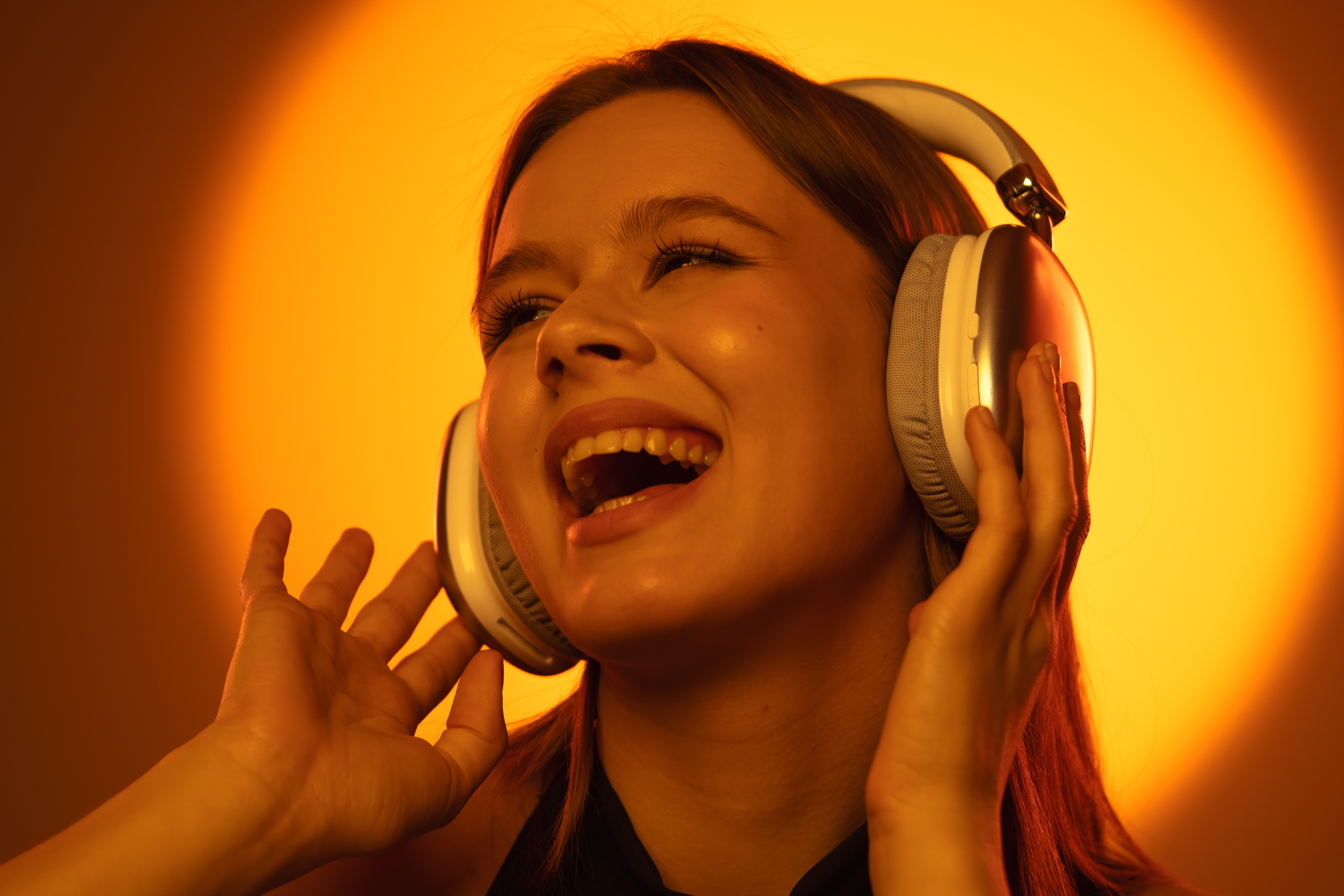
You might wonder how different audio types help you focus, relax, or sleep. Let’s break down the basics of binaural beats, isochronic tones, and plain music, so you can make an informed choice.
Binaural Beats Basics
Binaural beats are a popular tool for improving focus and relaxation. They work by playing two different sound frequencies in each ear. Your brain processes these two frequencies and perceives a third tone. This third tone is the binaural beat. Many people find that listening to binaural beats helps them concentrate better or unwind after a long day.
To get the most out of binaural beats, you need to use headphones. The separate frequencies must reach each ear independently to create the desired effect. If you’re curious about trying binaural beats, you might start with sessions lasting 10 to 30 minutes. Keep in mind that results can vary from person to person.
For more details, check out this discussion on binaural beats and isochronic tones.
Isochronic Tones Explained
Isochronic tones are another sound therapy option that helps with focus and relaxation. Unlike binaural beats, isochronic tones don’t need headphones. They consist of single tones that switch on and off at regular intervals, creating a rhythmic pattern. This steady rhythm can help synchronize brainwaves, which some people find enhances concentration or induces relaxation.
You can use isochronic tones with speakers, making them more flexible than binaural beats. Sessions typically last 15 to 30 minutes. Some users report immediate effects, while others notice improvements over time. Whether you’re studying or trying to unwind, isochronic tones might be worth trying.
Learn more about how isochronic tones can benefit you here.
Plain Music Essentials
Plain music is familiar and accessible. It can set the mood for relaxation, productivity, or sleep. Unlike binaural beats and isochronic tones, plain music doesn’t rely on specific frequencies to affect brainwaves. Instead, its impact depends on personal preferences and the type of music. Soft, instrumental music might calm you, while upbeat tunes can boost energy.
Listening to plain music is simple: just press play and enjoy. It’s a versatile option for anyone seeking comfort in familiarity, whether you’re working, meditating, or winding down. Remember, the key is to choose music that aligns with your current mood and goal.
For a deeper dive into how music impacts productivity and relaxation, explore this Quora discussion.
Choosing the Right Audio

With a clearer understanding of binaural beats, isochronic tones, and plain music, let’s explore how to choose the best option for your needs.
When to Use Each Tool
Deciding when to use each audio type is crucial. If you’re studying or working on a project, binaural beats might help you focus. They’re especially useful when you need to block out distractions. For relaxation, isochronic tones and plain music can create a calming environment. If you don’t have headphones or prefer ambient sound, try isochronic tones with speakers.
Experimenting is key. Try different audio types at various times to see what works best for you. Remember, what helps one person relax might not work for another. It’s all about finding your personal preference and routine.
Quick 5-Minute Test
Here’s a simple test you can do in just five minutes. Choose a binaural beat track, an isochronic tone track, and a piece of plain music. Spend one minute on each option and notice how you feel. Are you more focused or relaxed with one over the others?
This quick test can give you insights into what resonates most with you. Keep it handy as a go-to method when you’re unsure which audio to choose. It’s a great way to save time and energy while ensuring you get the most from your listening experience.
Headphones vs. Speakers
Choosing between headphones and speakers can impact your experience. Headphones are ideal for binaural beats since they require separate frequencies in each ear. They also offer a more immersive experience, blocking out background noise.
On the other hand, speakers work well with isochronic tones and plain music. They allow you to fill a room with sound, making them great for shared spaces or when you need more freedom of movement. Consider your environment and needs when deciding between headphones and speakers.
Tips for Successful Listening

To get the best results, let’s look at safe listening practices, creating a routine, and exploring new playlists.
Safe Listening Practices
Listening to audio at safe volumes is crucial. Experts recommend keeping the volume at 60% or lower to prevent hearing damage. Give your ears breaks by limiting sessions to 60 minutes at a time. These practices protect your hearing while allowing you to enjoy your audio sessions fully.
Creating a Routine
Consistency is key to reaping the benefits of audio therapy. Try listening at the same time each day, whether it’s for focus, relaxation, or sleep. A regular routine helps your brain associate specific sounds with certain activities, enhancing their effectiveness over time.
Starter Playlists and Challenges 🎧
To help you get started, explore playlists tailored for focus, relaxation, or sleep. Mix it up with challenges, like a week of different binaural beats or isochronic tones each day. Engaging with new sounds keeps your routine fresh and exciting.
By understanding these audio options and incorporating safe listening practices, you can create a personalized routine that suits your needs. Whether you need to focus, relax, or sleep, the right audio is just a play button away.

