

Most evening routines promise big results but demand hours you simply don’t have. If you struggle to fall asleep faster or keep a consistent bedtime, you’re not alone. This post lays out a simple evening routine for better sleep that fits into 30 minutes or less, with practical sleep hygiene tips anyone can follow. Ready to calm your mind and improve sleep quality without added stress? Let’s get started.
Design Your Evening Routine
Creating a wind-down routine that truly works doesn’t have to be complicated. It’s all about choosing the right elements to prepare your mind and body for rest.
Wind-Down Routine Essentials
Start by setting a consistent schedule. Your body thrives on routine, so winding down at the same time each night can signal that it’s time to relax. Begin with simple activities like reading a book or listening to calming music. Avoid screens during this time, as they can stimulate your brain instead of helping it relax. Keep your routine under 30 minutes to ensure it fits into your busy life without feeling overwhelming.
Include activities that make you feel good. Whether it’s a warm bath or gentle stretching, these moments should be something you look forward to. Keeping your wind-down routine enjoyable ensures you’ll stick with it. Remember, the goal is to prepare your body for sleep without stressing about perfection.
Relaxation Techniques for Sleep
You might wonder how to relax effectively before bed. Start with mindfulness exercises that focus on the present moment. Simple meditation can help clear your mind and reduce stress. Try sitting quietly and focusing on your breath for a few minutes each evening.
Progressive muscle relaxation is another technique to consider. This involves tensing each muscle group for a few seconds, then releasing. It helps ease physical tension and can signal your body that it’s time to rest. These practices promote a peaceful transition from the day’s activities to restful sleep.
Breathing Exercises for Sleep
Breathing exercises can be a game-changer for sleep quality. Begin with a simple practice like the 4-7-8 technique: inhale for four seconds, hold for seven seconds, and exhale for eight seconds. This pattern helps calm your nervous system and prepares your body for sleep.
Another effective method is diaphragmatic breathing, where you breathe deeply into your diaphragm rather than shallowly into your chest. This type of breathing encourages relaxation and can be done anywhere, making it a versatile tool in your sleep routine.
Sleep Environment Checklist
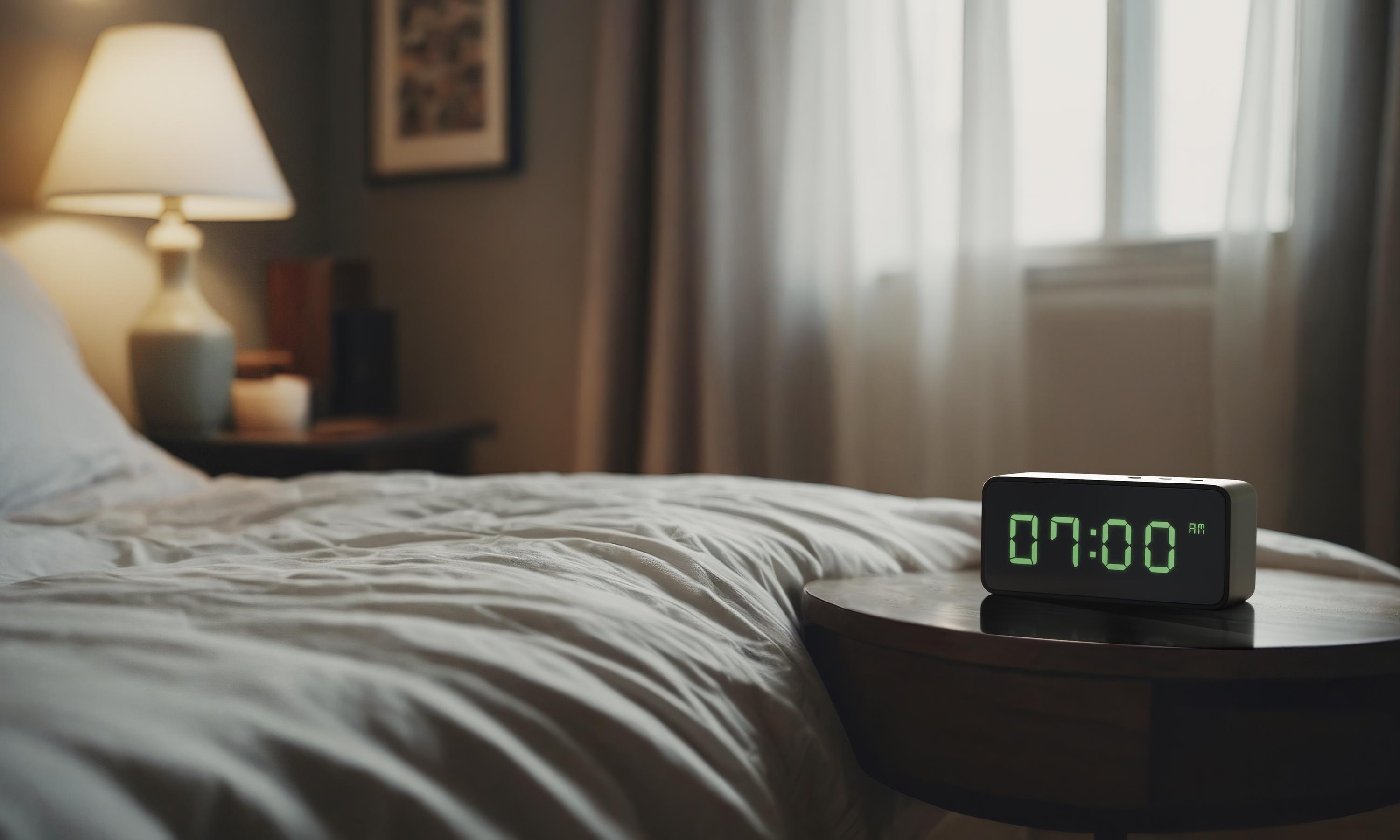
A sleep-friendly environment is key to falling asleep faster and staying asleep. Let’s explore the essentials for creating a restful space.
Bedroom Temperature for Sleep
Keeping your bedroom cool is crucial for better sleep. Experts suggest a temperature between 60 and 67 degrees Fahrenheit. A cooler room signals to your body that it’s time to sleep, aligning with your natural circadian rhythms. Adjust the thermostat or use a fan to maintain this temperature range.
Consider your bedding too. Breathable, comfortable sheets can prevent overheating and promote a restful night’s sleep. Opt for natural materials like cotton or bamboo to enhance your sleep environment.
White Noise and Blackout Curtains
Do you find it hard to fall asleep with background noise or light? White noise machines can mask disruptive sounds, creating a consistent auditory environment that helps you drift off. Alternatively, a fan can serve the same purpose while keeping the room cool.
Blackout curtains are another valuable addition to your sleep setup. They block out external light, allowing your body to produce melatonin, the hormone responsible for regulating sleep. Together, these tools can transform your bedroom into a sanctuary of rest.
Reduce Blue Light at Night
Limiting blue light exposure before bed is important for sleep quality. Blue light from screens can interfere with melatonin production, making it harder to fall asleep. Try setting a digital curfew an hour before bedtime, and switch to activities that don’t involve screens.
If avoiding screens isn’t possible, consider using blue light filters or glasses designed to reduce exposure. These small adjustments can have a significant impact on your ability to fall asleep quickly and enjoy deeper rest.
Sleep Schedule Tips

A consistent sleep schedule can make a world of difference in your overall sleep health. Let’s dive into strategies that support a stable routine.
Consistent Bedtime Strategies
Setting a regular bedtime and wake-up time can help regulate your body’s internal clock. Aim for 7-9 hours of sleep each night and stick to your schedule even on weekends. This consistency reinforces your body’s natural rhythms, making it easier to fall asleep and wake up refreshed.
Avoid heavy meals, caffeine, and alcohol close to bedtime. These can disrupt your sleep and make it harder to stick to your routine. Instead, opt for a light snack or herbal tea to signal your body that it’s time to wind down.
Stress and Sleep Management
Stress is a common sleep disruptor. To manage it, incorporate relaxing activities into your evening routine. Journaling before bed can help clear your mind and process any lingering worries. Writing down your thoughts allows you to let go of stressors and focus on rest.
Physical activity during the day can also improve sleep quality by reducing stress. Aim for at least 30 minutes of moderate exercise daily, but avoid vigorous workouts close to bedtime, as they might energize you instead of calming you down.
Evening Stretches for Sleep
Gentle stretching before bed can ease tension and prepare your body for sleep. Focus on simple stretches like neck rolls, shoulder shrugs, and leg stretches. These movements can relax tight muscles and create a sense of calm.
Incorporate yoga into your routine for added benefits. Poses like child’s pose or legs-up-the-wall can promote relaxation and help you transition to sleep. These practices require minimal time but can significantly enhance your sleep quality by reducing physical and mental tension.
Frequently Asked Questions
What are some quick relaxation techniques for sleep?
Try progressive muscle relaxation or mindfulness meditation. These techniques help clear your mind and reduce tension, promoting restful sleep.
How can I create a sleep-friendly environment?
Ensure your room is cool and dark. Use a fan or air conditioning to maintain a comfortable temperature and blackout curtains to block external light. White noise can also help mask disruptive sounds.
What is the best way to maintain a consistent sleep schedule?
Set a regular bedtime and wake-up time, even on weekends. This consistency helps regulate your body’s internal clock, making it easier to fall asleep and wake up refreshed.
How do breathing exercises improve sleep?
Breathing exercises like the 4-7-8 technique calm your nervous system, reducing stress and preparing your body for sleep. Diaphragmatic breathing can also promote relaxation.
What should I avoid before bedtime to improve sleep quality?
Limit screen time and avoid heavy meals, caffeine, and alcohol close to bedtime. Opt for relaxing activities like reading or light stretching to help your body wind down.

